In-House CRM Transformation
Led the shift from a third-party CRM to a custom in-house sales platform for Shikho's 200-agent telesales team, improving data access, customization, and cost control.
In-House CRM Transformation
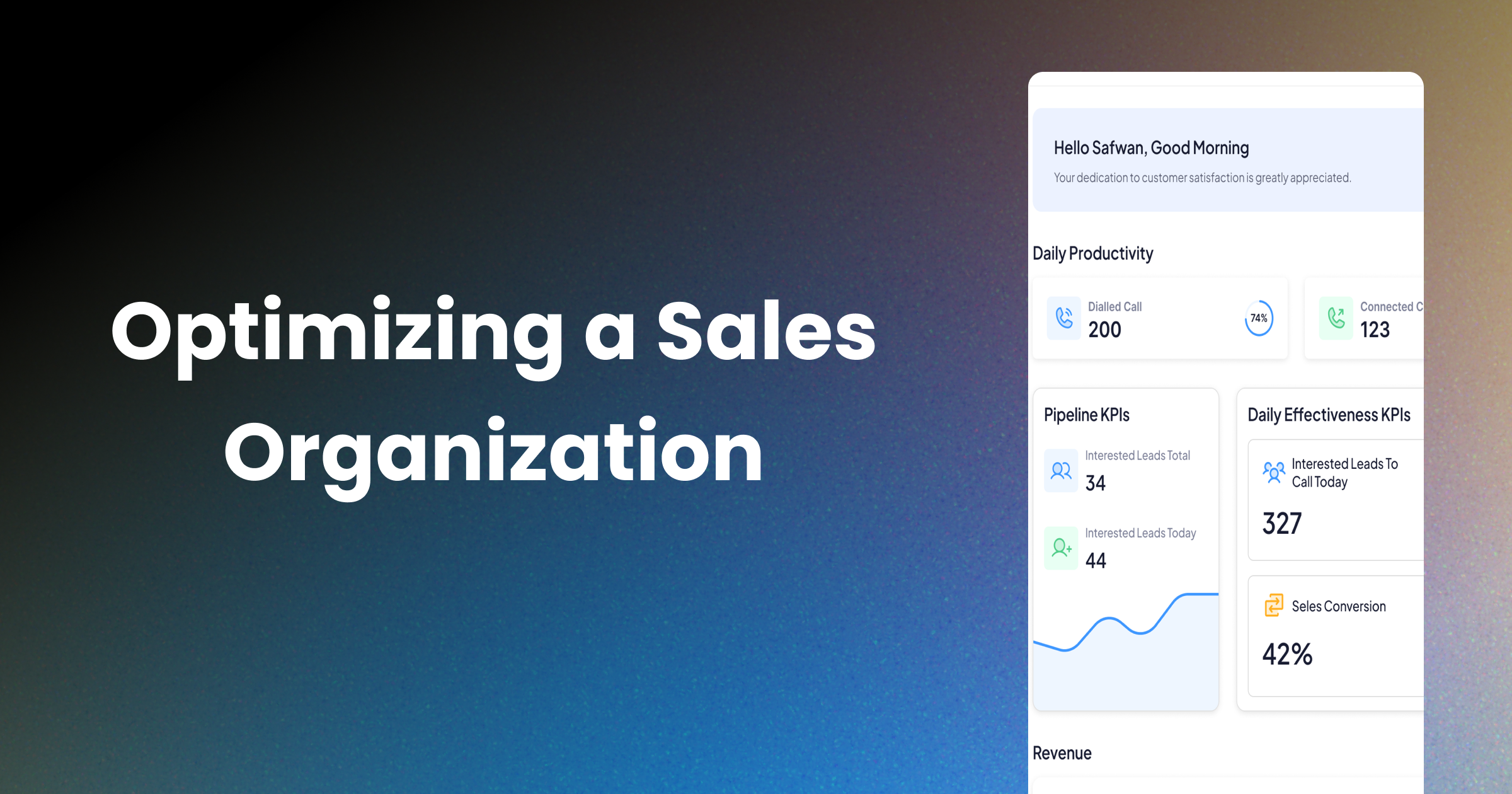
I led the product work behind replacing a third-party CRM with a custom in-house platform for Shikho’s telesales organization. The goal was not just to copy an existing tool. It was to build a system that fit how a 200-agent sales team actually worked, gave the business direct access to operational data, and scaled without a punishing per-seat cost model.
Context
At Shikho, telesales is a primary revenue engine. The team spans roughly 200 agents across two locations, and their day-to-day work depends on disciplined lead management, follow-up tracking, and visibility into pipeline health.
The initial CRM setup relied on a third-party platform. That worked well enough in the early stage, when speed of implementation mattered more than flexibility. But as the organization grew, the cracks became harder to ignore. The business was scaling into a model where both process control and data access were strategically important, yet the CRM was becoming more expensive and less adaptable at the same time.
At that point, the real question was no longer “Can we keep using the existing tool?” It was “Can we afford to keep building our sales operation on top of a system we do not control?”
Identifying the Issue
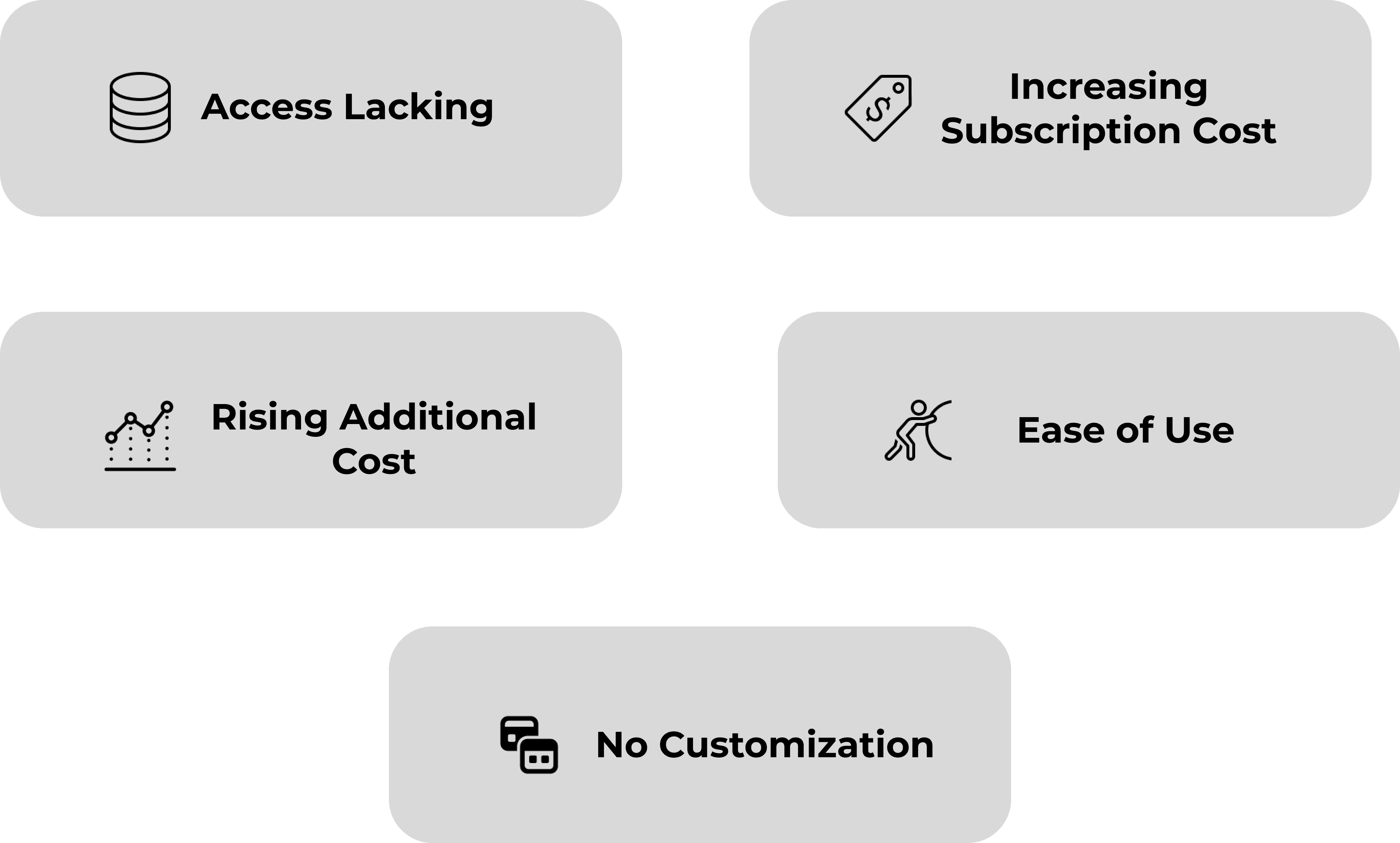
The gaps showed up in three areas that mattered directly to scale:
-
Cost
A per-user pricing model became increasingly inefficient as the team expanded. Every additional agent increased operational cost, even when the underlying workflows remained largely the same. -
Access to data
The business needed deeper access to CRM data for reporting, performance analysis, and cross-functional decision-making. Working through a third-party system limited how flexibly we could connect CRM activity to tools like Tableau and internal data workflows. -
Customization
Sales teams evolve quickly. Scripts change, process stages change, and internal operating models change. We were constrained by the roadmap and structure of someone else’s software when what we needed was a CRM shaped around Shikho’s actual sales process.
Decision to go In-House
I initiated the discussion with management to evaluate an in-house build. The case for it rested on three arguments:
-
Better cost control
Because Shikho already ran on AWS, an internal CRM could shift us from rising seat-based pricing toward infrastructure-based cost management that scaled more predictably. -
Faster process adaptation
An internal development team could evolve the CRM in sync with the sales organization instead of waiting for vendor limitations or workarounds. -
Direct ownership of operational data
By owning the system and database, we could connect CRM activity more directly to reporting, analytics, and business intelligence layers.
This was not a small decision. Replacing a tool that hundreds of agents rely on creates adoption risk, migration risk, and delivery pressure. But once we framed the CRM as core infrastructure rather than just software, the logic for investing in it became much stronger.
The Requirement
Because I had the deepest exposure to the nuances of Shikho’s sales process, I was asked to lead the team shaping the product requirements for the new CRM.
The brief was broader than recreating a few screens. The project needed to:
- preserve essential workflows so agents could transition quickly
- remove the most painful limitations from the previous system
- create a platform that could support analytics and future customization
- launch on an aggressive timeline without disrupting revenue operations

My Process
The timeline was short, and the team could not afford a multi-quarter greenfield product cycle. I used a principle that kept the work practical:
Recreate then Innovate
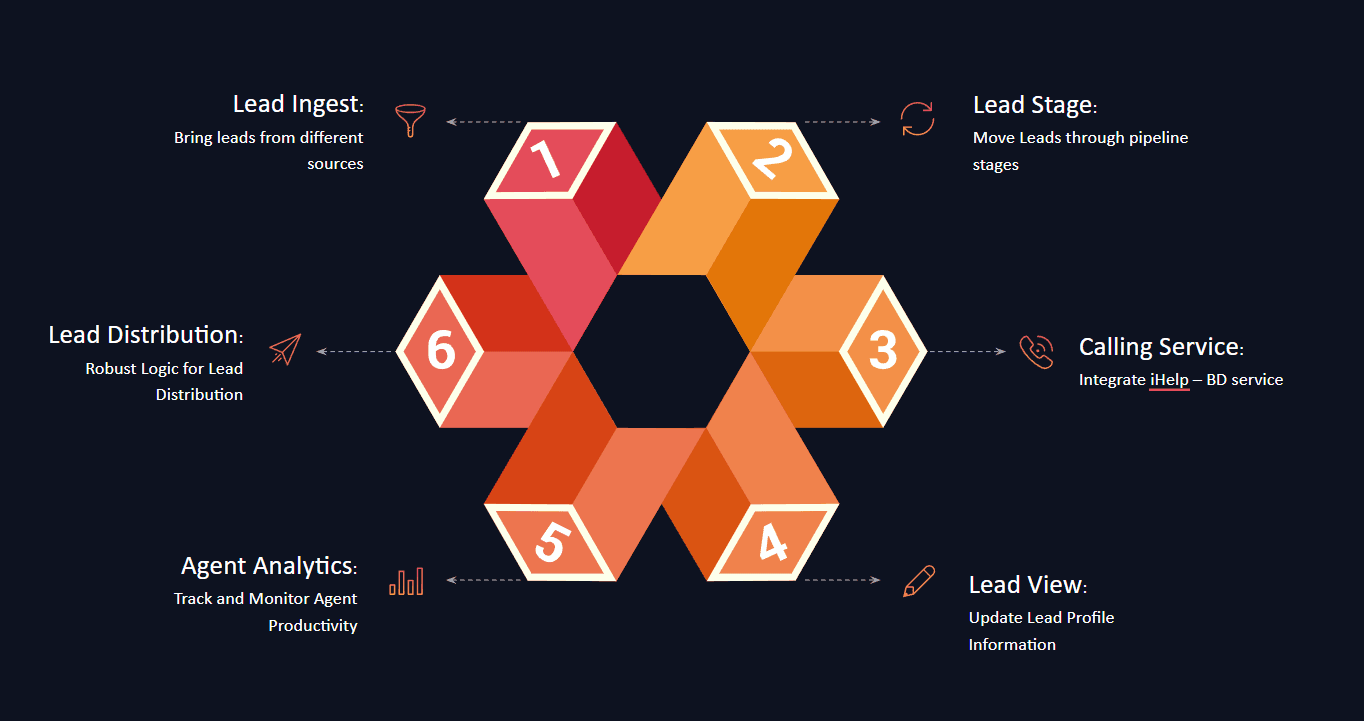
Agents were already trained on the logic of the existing CRM. So instead of forcing a full behavioral reset, I focused first on recreating the most-used capabilities in a way that solved the pain points they faced in the old system.
That meant building familiarity into the product while still making the switch feel worthwhile. In total, we rebuilt six core features with improvements in workflow clarity, flexibility, and reporting readiness.
This approach reduced change-management risk. Agents did not need to relearn the idea of a CRM from scratch. They needed a system that felt recognizable on day one and better by week one.
Launch
Working with the team across design revisions and feature refinement, we launched the in-house CRM to the full Shikho telesales organization in March 2024.
That launch mattered not only because a new system went live, but because the business successfully transitioned a large sales team onto internally owned infrastructure without breaking the operational rhythm the team relied on daily.

Result & Impact
The impact can be understood in two dimensions: operational scale and cost discipline.
From an operational perspective, the platform proved it could support the volume and complexity of a large telesales organization over time. That matters because internal tools often look promising in launch week and then fail under real usage pressure. This system held up across months of production use.
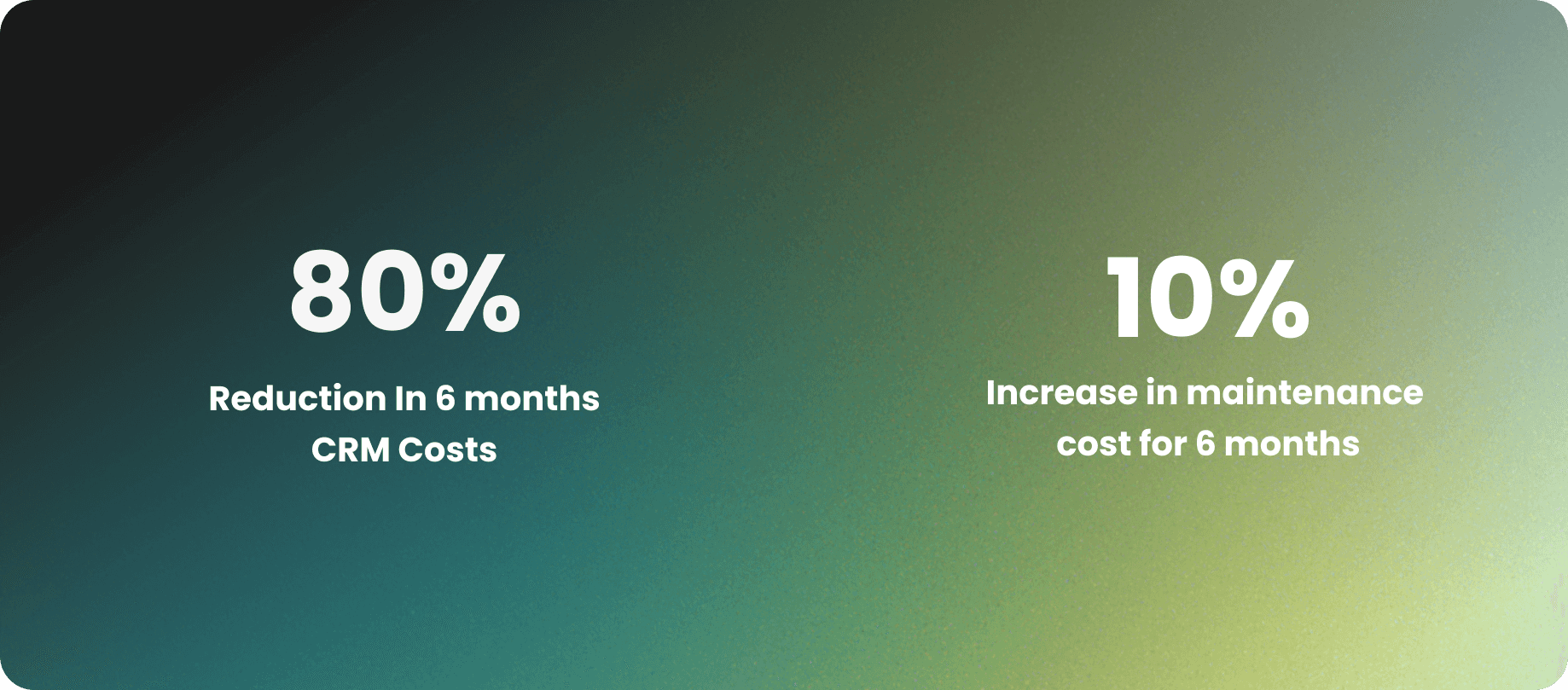
From a financial perspective, the move away from third-party per-seat pricing created a more sustainable cost structure as the team scaled. The CRM was no longer a growing tax on the sales organization. It became an owned operational asset.
Just as importantly, Shikho gained direct access to the data generated inside the sales workflow. That created a stronger foundation for dashboards, performance analysis, and future integrations across the company’s data ecosystem.
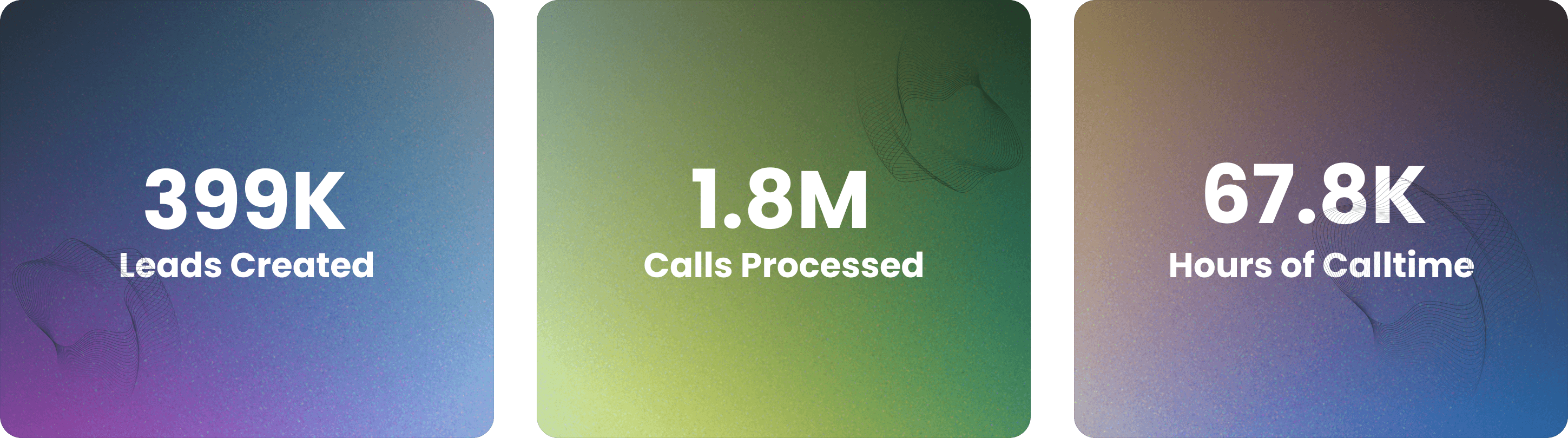
The cost view over the following months made the strategic value of the shift clear: building the CRM in-house was not just a technology decision, it was an operating-model decision that improved flexibility and margin at the same time.
More Projects

Ads Pipeline Implementation
End-to-end ads data pipeline and mobile attribution system that unified Facebook Ads, Google Ads, and in-app event tracking into a single BI layer for campaign optimization.

Installment Plan System
Flexible installment-based course purchasing that expanded access to education for students who could not pay upfront.

Curriculum Discovery Redesign
Reworked Shikho's course interface from carousel cards to a list-and-quarter-tab structure so learners could discover lessons faster and navigate large programs with less friction.