What is Product Management?
An introduction to product management — what PMs do, what a 'product' means in tech, and why context switching is the real job.
The Definition That Actually Makes Sense
In one sentence: Product management is the practice of identifying customer problems, defining solutions, and coordinating engineering, design, and business teams to ship products that either grow the company or improve the user experience.
For most of us growing up in a country where “tech” companies were just companies who used to cater to the outsourced development work from NA or Europe, the term “product” or, by extension, the role of “product manager” was something out of the dialogues from “Silicon Valley”. (In all honesty, any technical terms I knew prior to becoming a PM were all from this show)
So when I was asked one day to jump into the role of a Product Manager at REDX, it came as a pleasant shock which was then quickly followed by an existential dread and an endless loop of questions starting with “Wait…What is a product manager?”. Clearly amused at my bewilderment, my then supervisor (who had led the product team for the biggest app in the country back then) sat me down and broke down the term product manager, which was clearly a “PM” trait.
Enough with the build-up already…
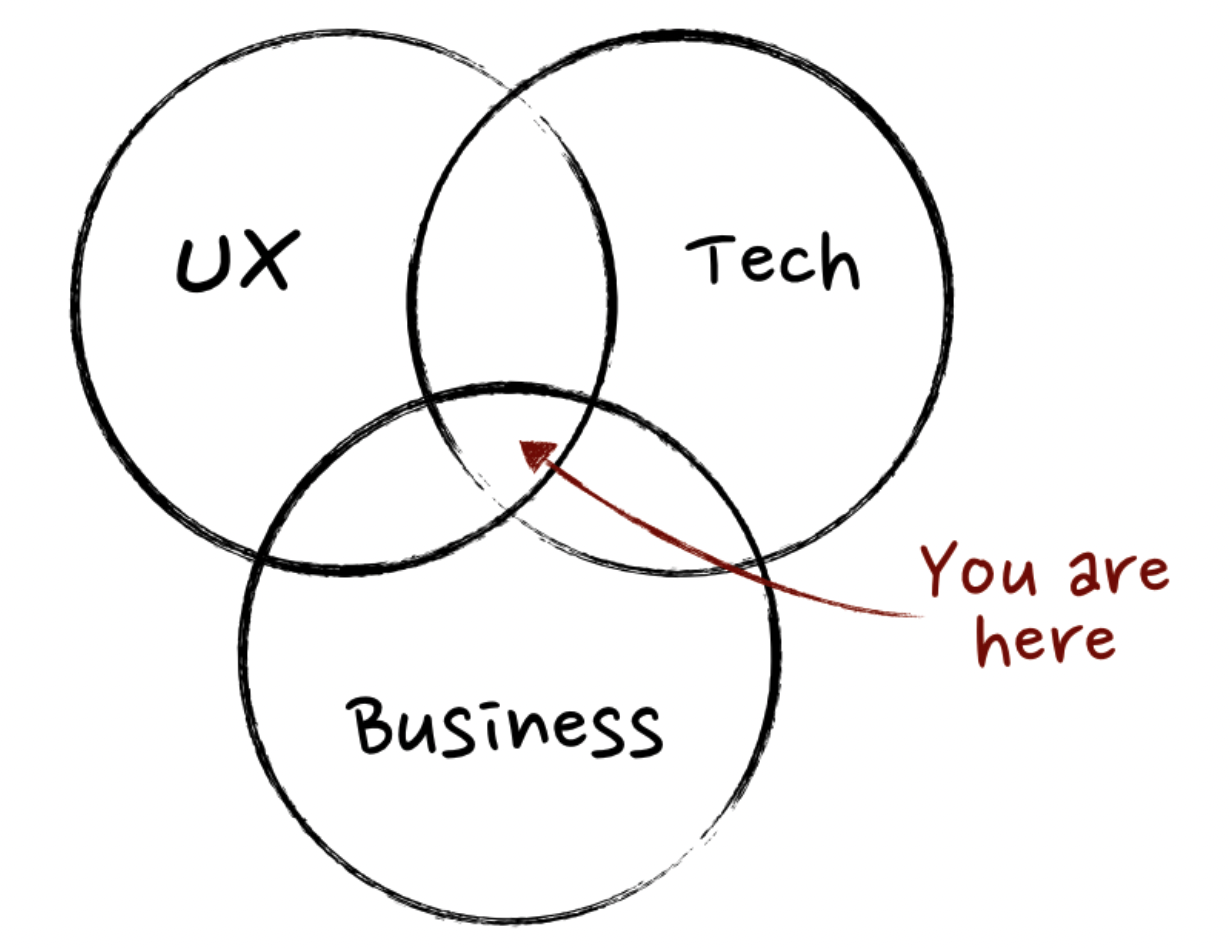
His definition of a product manager, pertaining to his experience, was that a PM would be the glue that holds the product in their portfolio, a central point where a business problem would come in from one side, and the solutions to those problems would exit as features out from the other end.
Okay..so what is a product?
Like any other person, the convoluted answer about Product Management above raised the second question in me — “What is a product?”. To put in a little context, before becoming a PM, I was in a manufacturing role where I made shampoos, creams, lotion, etc. For me, a product was an item that existed in the real world.
But in a tech company, the term “product” was more ambiguous, more nuanced. Here, a product was something that could change overnight or cease to exist. So here I was, going from making soaps and shampoo in my previous workplace to sitting with UI designers on how to improve a “user experience” or quietly “de-prioritizing” a feature request from a stakeholders.
And amidst all the jargon that gets thrown around on a daily basis in a startup, the only definition of a “product” I could surmise was this — “Any system/feature/modification that enables us to GROW our business or IMPROVE our user experience”.*
How is it like working as a Product Manager?
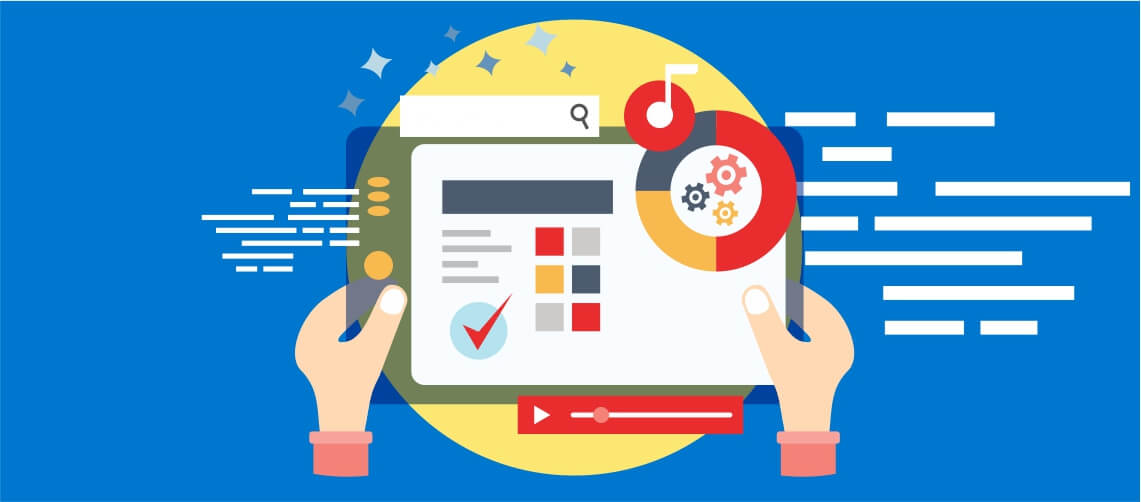
Being the person responsible for being the “glue” of the product OR being responsible for revamping an app to make it look more polished might be sexy, and you can flex about this on your portfolio. However, (and I say this with a big dramatic pause), it is never as simple and structured as the picture would have you believe. There’s a reason the guy below is sad. Hidden amongst all the juggling or in PM-terms “Context Switching” lies a deeper essence of product management — “Prioritizations.”

Many would say that the sole reasons PMs exist are to “build up a supreme level of context about the product (at times more than the leadership itself) and prioritize everything related to the product according to that context developed”. Because of this, the role of a PM is often a role of “conflicts”.
Even though a PM owns that product, he/she is not the owner of that company, he/she does not have people reporting to them, yet they have to be the one that has to communicate with all stakeholders in the company, and in the end, evolve the product to what it can be. In a famous video by the founders of Gojek, they stress this very topic wherein they state, “a PM has to make everyone work through their influence”. If you have the time (well, seeing as you are reading through this poorly written blog, you have enough time on your hands), go through the video for more insights into what makes someone a PM and where you can “find” them.
Watch: What is a Product Manager? by Gojek
That said, hailing from a country that is just now coming to grips with a tech revolution, a lot of things are being ported over from Silicon Valley companies - PM roles are one such role that companies are trying to put their spin on, so there is no “template” to what a PM should be.
According to a 2023 ProductPlan survey, 46% of product managers spend more than half their workday in meetings — making stakeholder management and context-switching the core PM skill, not just shipping features.
Product management is also one of the fastest-growing professions globally. LinkedIn’s 2023 Jobs on the Rise report found that PM and product operations roles saw over 25% growth in job postings year-over-year, consistently outpacing most other tech roles.
This is my first attempt at forming a habit to write a weekly blog. Mistakes have definitely been made. Please Ignore.

Rifat Bin Alam Rohit
Product Lead at Shikho with 5+ years building edtech and logistics products. Currently leading AI features used by 200K+ students. Teaching 1,700+ learners about product management and data storytelling.
More Posts
A Product Manager's Secret Weapon: Prioritization Frameworks
A guide to essential prioritization frameworks for PMs — including MoSCoW, Value vs. Effort, RICE, and the Kano Model.

Should You Join a Startup as a Product Manager?
Key considerations before joining a startup as a PM — from evaluating growth opportunities to understanding the chaos that comes with it.

Difference Between Product Managers and Other Roles
How the product manager role compares to business analysts, content strategists, and programmers — and why PMs are unique.